
Electronic Invoicing in France 2026: Obligations, Deadlines, and VAT Compliance
Administrateur Jefacturebien.fr · 11 August 2026 · 9 min read
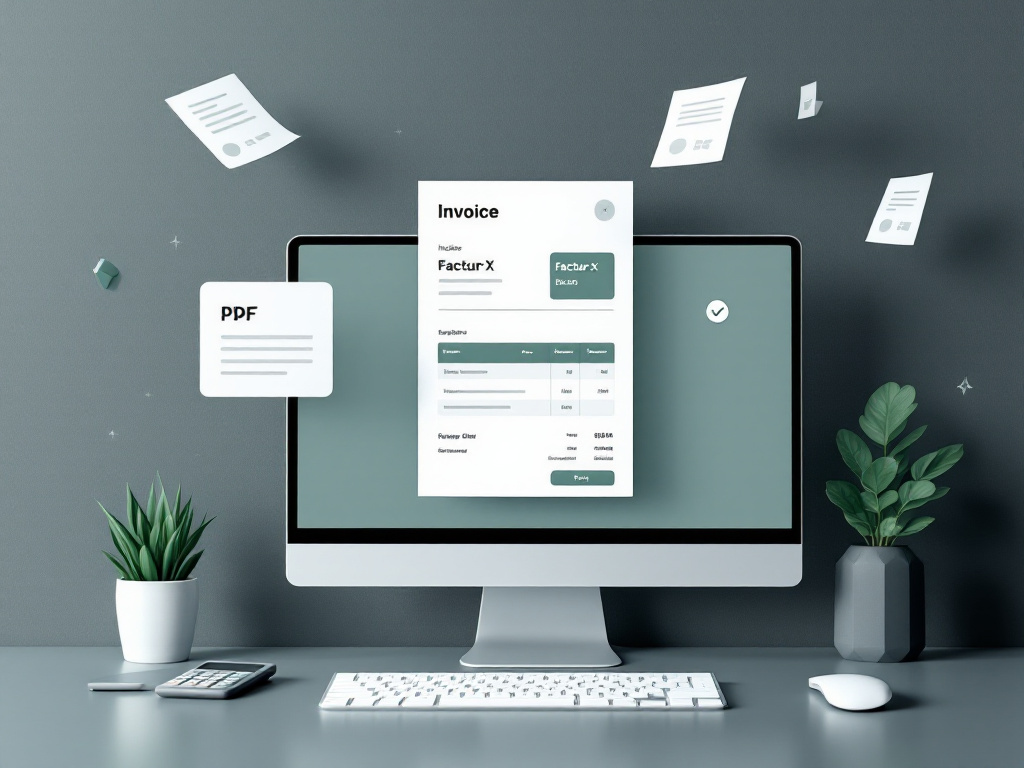
France’s 2026 electronic invoicing reform marks a major shift for freelancers, independent professionals, and small businesses. Starting September 2026, all VAT-registered companies must be able to receive electronic invoices, with mandatory issuance following in 2027. This guide breaks down the obligations, deadlines, and how the reform intersects with VAT compliance—so you can prepare without stress.
What is the 2026 electronic invoicing reform?
The reform mandates the use of electronic invoices (e-invoices) for all B2B transactions in France. The goal? To modernize tax administration, reduce fraud, and streamline VAT reporting. Here’s what changes:
- Format: Invoices must comply with Factur-X, a hybrid format combining a PDF (for human readability) and structured XML data (for automation).
- Transmission: Invoices must be sent and received via a PDP (Partner Dematerialization Platform) or the PPF (Public Invoicing Portal).
- E-reporting: Businesses must also transmit transaction and payment data to the tax authority (DGFiP) to pre-fill VAT returns.
The reform aligns with the EU’s VAT in the Digital Age (ViDA) initiative, ensuring cross-border compliance.
Who is affected and when?
The rollout is phased to give businesses time to adapt:
| Date | Obligation |
|---|---|
| September 1, 2026 | All VAT-registered businesses must receive e-invoices. Large companies must also issue them. |
| September 1, 2027 | All businesses (including micro-enterprises and freelancers) must issue and receive e-invoices. |
Exceptions and nuances
- Franchise in base: Businesses below the VAT threshold (e.g., micro-entrepreneurs with revenue under €36,800 for services) are exempt from issuing e-invoices but must still receive them.
- International transactions: B2C and cross-border B2B invoices are not subject to the reform but may require e-reporting.
How to prepare for the 2026 deadline
1. Choose a PDP or use the PPF
- PDP (Partner Dematerialization Platform): Private platforms accredited by the DGFiP (e.g., Chorus Pro, private providers). They offer advanced features like automatic payment reminders to improve cash flow.
- PPF (Public Invoicing Portal): A free, government-run portal for businesses not using a PDP. Limited to basic functionalities.
Tip: Compare PDPs based on pricing, integrations, and features like card payment with QR code to simplify client payments.
2. Verify your invoicing software’s compliance
- Your software must support Factur-X and integrate with a PDP or the PPF. Check with your provider or consider switching to a solution offering Factur-X 2026 compliance out of the box.
- Test the system early using the DGFiP’s pilot program.
3. Update your processes
- Client onboarding: Inform clients about your new e-invoicing process. Use tools like online signable quotes to streamline agreements.
- Archiving: E-invoices must be stored for 6 years in their original format (PDF + XML). Ensure your software supports secure, compliant archiving.
4. Prepare for e-reporting
- E-reporting requires transmitting transaction data (e.g., payment status, invoice details) to the DGFiP. This data will pre-fill your VAT returns, reducing manual work. Use a PDP that automates this process.
How does e-invoicing impact VAT compliance?
The reform doesn’t change VAT filing deadlines, but it simplifies compliance by automating data transmission:
- Pre-filled VAT returns: E-invoices and e-reporting data will auto-populate your VAT declarations, reducing errors.
- Faster refunds: Automated data reduces processing delays for VAT refunds.
- Reduced fraud: Real-time data transmission helps the DGFiP detect discrepancies early.
VAT deadlines in 2026 (unchanged)
- Real normal regime: Quarterly VAT returns (for businesses with revenue > €250,000 for goods or €94,300 for services).
- Real simplified regime: Annual VAT return with quarterly prepayments (for businesses below the thresholds above).
- Franchise in base: No VAT filing required if revenue is below the exemption threshold.
Tip: Use a tool that generates accounting exports in FEC or CSV format to simplify VAT reporting.
Common challenges and solutions
Challenge 1: Choosing the right PDP
- Solution: Prioritize PDPs with:
- Factur-X compliance (non-negotiable).
- Integrations with your existing tools (e.g., CRM, accounting software).
- User-friendly features like recurring invoices for subscriptions or retainers.
Challenge 2: Client resistance to e-invoices
- Solution: Educate clients on the benefits:
- Faster processing and payments.
- Reduced paper waste.
- Secure, traceable transactions.
Offer incentives like discounts for early payment via card payment with QR code.
Challenge 3: Technical implementation
- Solution: Start early and test thoroughly. Use the DGFiP’s pilot program to iron out issues before the deadline.
What happens if you’re not ready by September 2026?
The DGFiP has committed to a lenient approach for businesses acting in good faith. No penalties will apply if:
- You can demonstrate efforts to comply (e.g., signed up with a PDP, tested the system).
- You document any technical difficulties and take corrective action.
However, non-compliance risks:
- Delayed VAT refunds due to missing or incorrect data.
- Increased scrutiny from tax authorities.
- Operational disruptions if clients or suppliers refuse to work with non-compliant businesses.
How jefacturebien.fr can help
Preparing for the 2026 reform doesn’t have to be overwhelming. jefacturebien.fr offers tools to simplify compliance and streamline your invoicing:
- Factur-X 2026 compliance: Automatically generate invoices in the required hybrid format and submit them to the PPF or your chosen PDP.
- Automatic payment reminders: Reduce late payments with scheduled, personalized email reminders.
- Accounting exports: Export your data in FEC, CSV, or Excel format for seamless VAT reporting.
Explore all features to see how we can support your transition to e-invoicing: jefacturebien.fr/features.
Conclusion: Start preparing now
The 2026 electronic invoicing reform is a significant change, but it also presents an opportunity to modernize your business processes. By acting now—choosing a PDP, testing your software, and educating your clients—you’ll avoid last-minute stress and ensure compliance.
Key takeaways:
- September 2026: All businesses must receive e-invoices; large companies must issue them.
- September 2027: All businesses must issue and receive e-invoices.
- VAT compliance: E-invoicing simplifies reporting but doesn’t change deadlines.
- Tools matter: Use compliant software like jefacturebien.fr to automate invoicing and payments.
Don’t wait—start your transition today to stay ahead of the curve.
Simplify your invoicing with jefacturebien.fr
Discover all features designed for French freelancers and small businesses: automatic reminders, signable quotes, QR code payments, Factur-X 2026 compliance and more.